
7 Ways to Reduce Cost Per Unit in Your Business
By James Blanckenberg · Published May 11, 2026
Cost per unit is the most under-watched number in small business. Reduce it by 10% without raising prices and you've grown net profit by far more than 10%. Here are seven proven levers, ordered from quickest-win to highest-impact.

First, know what your CPU actually is
Most owners under-count CPU because they only include direct materials. Real cost per unit includes:
- Raw materials and components
- Direct labour to produce
- Packaging
- Allocated overhead (rent, utilities, management — total fixed cost / units made)
- Shipping inbound (to you) and outbound (to customer) if you absorb it
- Quality reject / scrap rate (if you scrap 5%, real CPU is 5% higher)
Use the Cost Per Unit Calculator to break this into fixed and variable components first.
1. Renegotiate supplier contracts
Your suppliers raised prices over the last 18 months. They expect you to ask for them back. Specific tactics that work:
- Ask for 90-day payment terms in exchange for current pricing
- Get three competing quotes and share the lowest with your incumbent
- Commit to higher volume for a lower per-unit rate
- Pay upfront for an annual quantity to lock in price
2. Bulk buying (with caution)
Buying 12 months of inventory at 15% discount looks like a no-brainer. It isn't if you only sell 6 months' worth, the product has an expiry, or you tie up cash you needed for marketing. Rule of thumb: only bulk-buy what you will sell in 6 months or less.
3. Increase production volume to spread fixed costs
Fixed cost per unit drops as volume rises. If your factory costs $20,000/month regardless, going from 500 → 750 units produced drops fixed CPU from $40 to $26.67. That's a $13.33 per-unit improvement before any other change. The catch: you need actual demand for those extra 250 units.
4. Redesign for manufacturability
Small product changes can produce large cost savings. Common moves:
- Reduce part count (fewer SKUs to stock, less assembly time)
- Swap one material for a cheaper equivalent (PET vs glass, MDF vs hardwood for hidden parts)
- Simplify packaging (no inner box, smaller outer, less printing)
- Standardise hardware across products (one screw type instead of three)
5. Cut scrap and rework
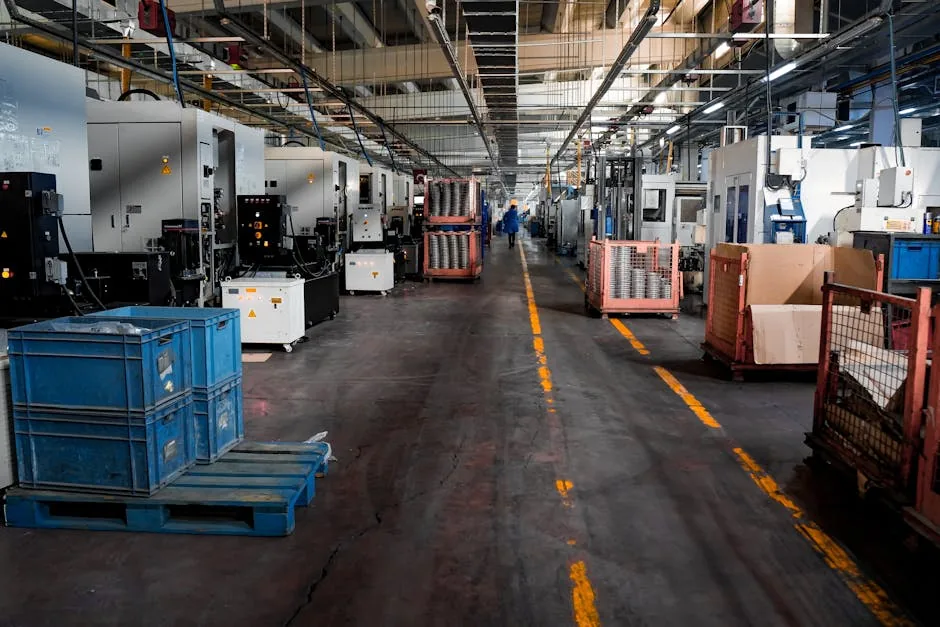
A 5% reject rate means real CPU is 5% above what you think it is. If you scrap $5 of materials per finished good, that's pure margin compression. Run a one-month tally of every rejected / reworked unit and tackle the top three causes. Quality control at the input stage (inspect incoming materials) is cheaper than at the output stage.
6. Automate the most repetitive step
Don't automate everything — pick the single most repetitive, most error-prone step in your process and automate just that. A $4,000 packaging machine that saves 30 seconds per unit pays back in months at any decent volume. The biggest wins are often in the boring middle of the process, not the glamorous front-end.
7. Relocate, in-source, or out-source
Strategic moves with higher upside but more risk:
- Move production overseas if scale justifies the logistics overhead. Typically only viable above several thousand units/month.
- In-source a step you were paying a margin on. If your packaging vendor charges $1.50 and the actual cost is $0.40, can you do it yourself?
- Out-source a non-core step. Conversely, if a vendor specialises in something you do badly, paying their price might still beat your in-house cost.
The combined effect
Stack two or three of these and you'll typically see 8–20% CPU reduction within a quarter. At the same selling price, that flows almost entirely to net profit — a small business doing $500k revenue at 10% net margin and shaving 10% off COGS (currently 50% of revenue) gains $25,000/year of profit.
Bottom line
- Calculate fully-loaded CPU first — most owners under-count it.
- Renegotiation and volume scaling are usually the quickest wins.
- Redesign and scrap reduction have the highest absolute savings.
- Don't chase savings that compromise quality — defects and returns cost more than the savings.
Written by
James BlanckenbergFounder, BusCalcTools
Founder of BusCalcTools and FinnCalc. Builds practical financial calculators for small business owners and freelancers across the US, UK, and South Africa.
Editorial review by: James Blanckenberg, Founder & Editor
More about James →Calculators referenced in this article
For information only. This calculator does not constitute financial, accounting, or tax advice. Consult a qualified professional before making business decisions.